 Taskling

How to get to bed on time.
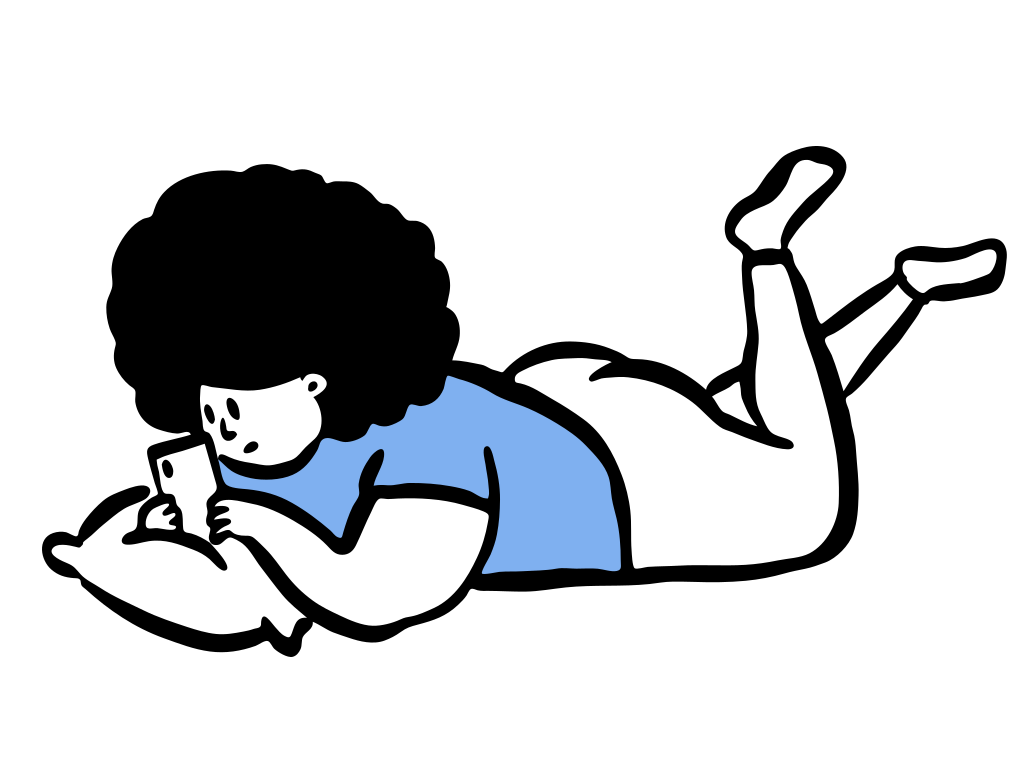
You were tired at 10. Then it was 1am and you were still scrolling. Going to bed on time is less about discipline and more about starting the wind down early.
Why it slips
Evenings are often the only time that feels like your own, so staying up becomes a way to get some back, sometimes called revenge bedtime procrastination. Time blindness makes late evenings feel shorter than they are, and screens keep your brain switched on. Bedtime needs a cue that comes before you're too tired to act on it.
Cues that work
- A bedtime alarm, not just a wake up alarmSet an alarm an hour before you want to sleep. That's when the wind down starts.
- A short wind down routineThree or four steps in the same order every night tell your brain the day is over.
- Charge the phone outside the bedroomIf the phone lives elsewhere, the scroll ends when you leave the room.
- Me time earlierGive yourself a protected hour earlier in the evening so you don't have to steal it at midnight.
- Same time most daysA consistent bedtime and wake time make falling asleep easier over a few weeks.
Set it up in two minutes
Choose your target bedtime and set an alarm one hour before it, every day. Then copy the bedtime wind down routine from our routine library and do it for one week.
Questions
What if I can't fall asleep?
Persistent sleep problems are worth discussing with a GP. Light, screens, caffeine and irregular schedules are common factors worth checking first.
Does reading in bed count as screen time?
A paper book or an E Ink reader is usually fine. Bright phones and tablets keep many people awake longer.
I work nights.
See the night shift routine in our routine library. The same principles apply, at different times.